
Every content practitioner has received that Friday afternoon message.
“Hey, quick question — is there any way we could have something for the blog by Monday? We have an opportunity we want to capitalize on.”
The message is sent without apparent awareness that the practitioner has other clients, other commitments, a weekend, a life. It is sent with complete sincerity — the client genuinely sees this as a “quick question” and not as a request to reorganize someone else’s schedule on two days’ notice.
This is not a malicious request. It is a symptom of a widespread misunderstanding of how content production actually works.
What clients think the timeline is
Most clients, if they haven’t worked extensively with content practitioners, have a mental model of content production that goes approximately: think of topic, write words, publish. This takes an afternoon, maybe a day if it’s long.
This model is based on their own experience producing internal communications — emails, Slack messages, memos — where the process really does work that way. It is not based on understanding that good content involves strategy (choosing the right topic and angle), research (gathering the actual knowledge that makes the content specific), drafting (which is not linear and rarely goes quickly), editing (which is where most of the quality is produced), and production (SEO optimization, metadata, formatting, image selection).
The gap between “afternoon” and “a week or more” is the gap between a client who makes Friday-afternoon requests and one who doesn’t.
The production calendar as expectation-setter
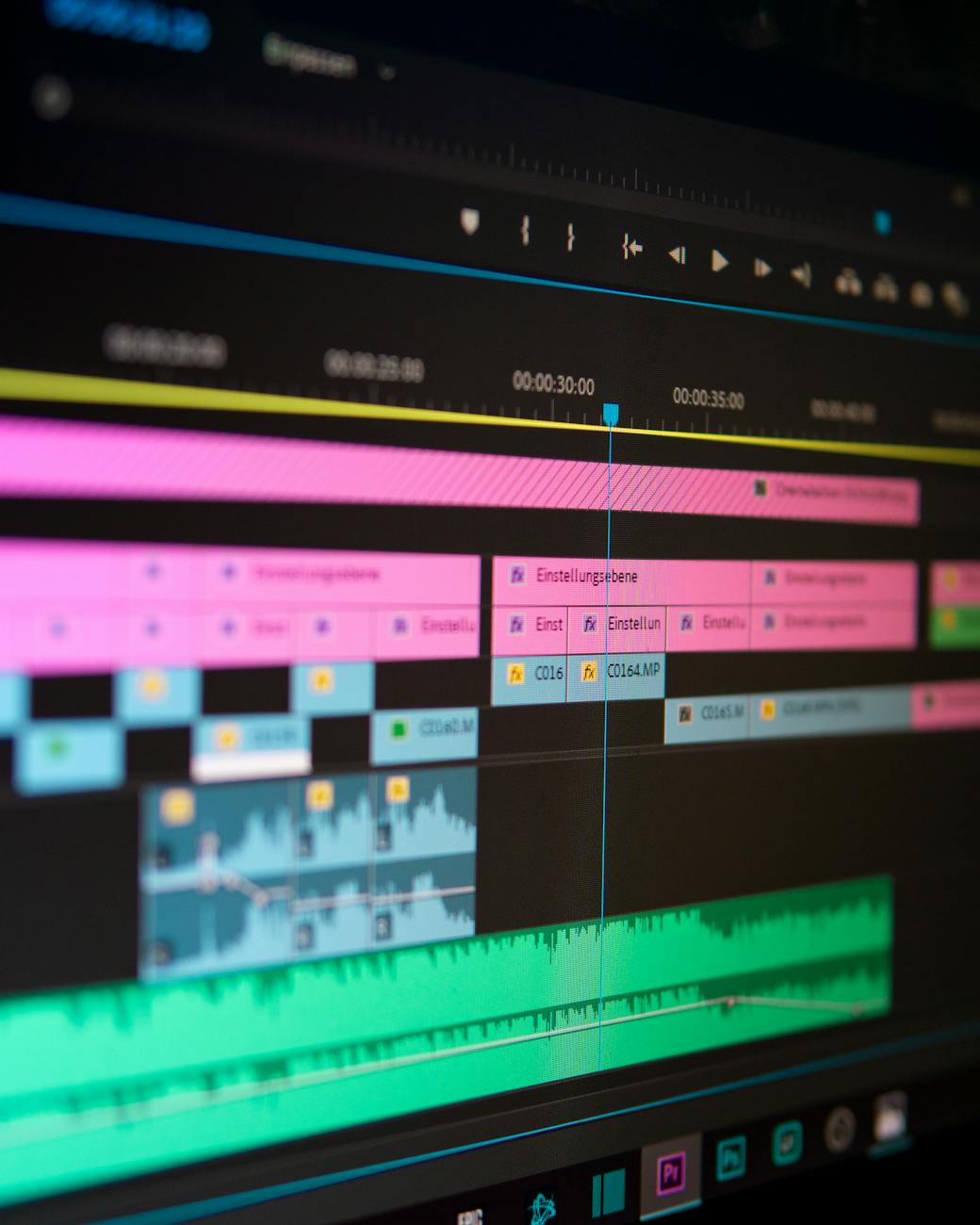
The tool that prevents the Friday request is not better communication about timelines in the abstract. It’s a production calendar — a shared, visible document that shows when briefs are due, when drafts are submitted, when revisions close, when content publishes.
The content retainer that builds a realistic production timeline into the engagement structure prevents most of these conversations. When the client knows that posts are delivered on a defined cycle — brief due Monday, draft Thursday, published the following Tuesday — the Friday request doesn’t arise. The expectation was set before the relationship began.
When a client makes the Friday request, the right response is not “I’ll see what I can do.” It is: “I can help with this. Here’s what a realistic timeline looks like for content this size. If you need something by Monday, here’s what I’d need from you today to make that possible — and here’s what I’d need to take off your plate from next week to accommodate it.”
This response accomplishes three things: it says yes to helping, it makes the timeline visible, and it introduces the concept that accommodating the emergency has a cost in the regular work.
When the urgency is real
Some urgent requests are genuinely urgent. A major industry development that requires a response. A competitor announcement that creates a window. A media inquiry that needs supporting content.
These are real. They’re also distinguishable from most Friday requests, which are urgent primarily because nobody thought about the need earlier in the week when there was time.
For genuinely urgent content, the variables are: scope and quality. You can produce something short and good faster than something long and good. You can produce something rough and detailed faster than something polished and detailed. The client who needs something by Monday can have something by Monday — but they need to understand what kind of something is possible in that timeframe.
The onboarding conversation that prevents all of this
The timeline conversation belongs in onboarding. Not as a list of your policies, but as an education about the production process: here’s what good content takes, here’s how the cycle works, here’s what the production calendar looks like, and here’s how we handle genuine urgencies when they arise.
A client who has been through this conversation doesn’t send the Friday request. They know why they’re not sending it.
Jacob Clifton is the principal of Clifton Creative, an editorial strategy consultancy based in Austin, Texas. He spent fourteen years as a flagship staff writer at Television Without Pity and has written for Tor.com, Vulture, BuzzFeed News, and the Austin Chronicle.
For inquiries:
jacob@cliftoncreative.agency · cal.com/cliftoncreative